


- Genel
- June 25, 2024
The Psychological Effects of Colors in Interior Design
The importance of colors in the decoration of your home or office is significant. Colors can affect the atmosphere of a space, your mood, and the psychological state of everyone who enters the room. Choosing the right colors is crucial to create the desired emotional and psychological effect in interior design. Here’s what you need to know about the psychological effects of colors and how they can be used in interior design:
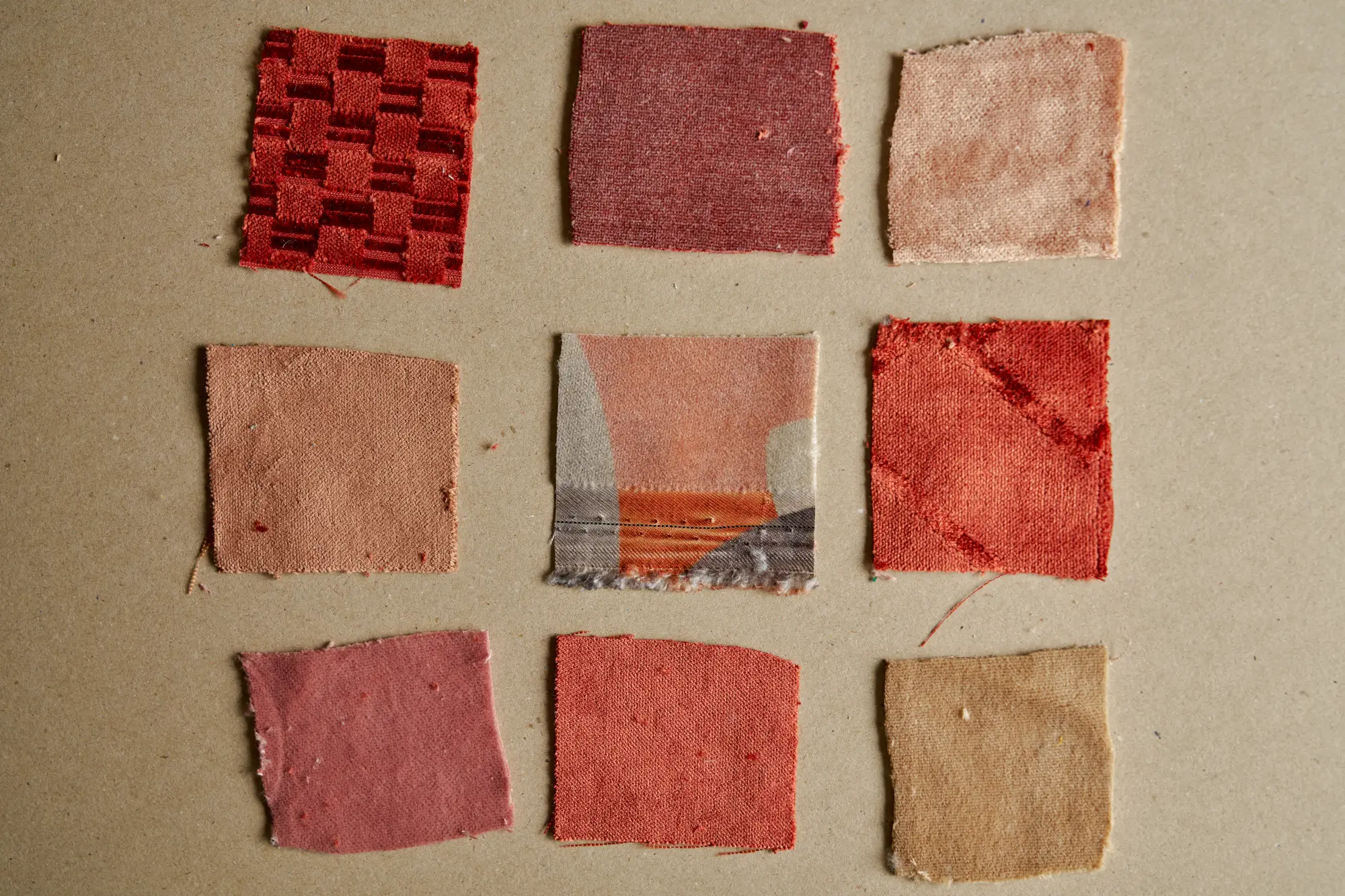
1. Red: Energy and Passion
The color red creates an energetic and passionate atmosphere. You can use it in areas where you want to add vibrancy and dynamism. However, excessive use of red can trigger feelings of stress and aggression.
- Usage Areas: Dining rooms, sports areas, or lively social spaces.
- Points to Consider: Avoid using too much in rest areas like bedrooms.
2. Blue: Calmness and Peace
The color blue gives a sense of peace and tranquility. It reduces stress and provides relaxation. Therefore, it is ideal for use in rest and work areas.
- Usage Areas: Bedrooms, bathrooms, and offices.
- Points to Consider: Cool-toned blues can create a depressive effect if used excessively.
3. Green: Nature and Balance
The color green evokes a sense of balance and tranquility because it is reminiscent of nature. It has both calming and revitalizing effects.
- Usage Areas: Living rooms, kitchens, and workspaces.
- Points to Consider: Opt for more natural and soft tones of green rather than very bright shades.
4. Yellow: Happiness and Energy
Yellow is a color that gives happiness and energy. It enhances mental activity and attracts attention. It is an excellent choice for creating a positive atmosphere.
- Usage Areas: Kitchens, dining rooms, and children’s rooms.
- Points to Consider: Very bright and intense shades of yellow can cause eye strain and discomfort.
5. Orange: Warmth and Sociability
Orange color gives a sense of warmth and intimacy. It creates an energetic and inviting atmosphere, making it ideal for social areas.
- Usage Areas: Living rooms, dining rooms, and entryways.
- Points to Consider: Avoid excessive use, as too much orange can be stimulating and tiring.
6. Purple: Luxury and Creativity
Purple color represents luxury, wealth, and creativity. You can use it in creative spaces and places where you want to create a luxurious feel.
- Usage Areas: Bedrooms, art studios, and reading areas.
- Points to Consider: Dark shades of purple can be overwhelming in small spaces; therefore, it’s important to strike a good balance.
7. White: Cleanliness and Purity
White color symbolizes cleanliness and purity. It creates a fresh and spacious feeling. It can be used comfortably in any space.
- Usage Areas: All types of spaces, especially bathrooms and kitchens.
- Points to Consider: Avoid excessive use of white, as it can create a cold and sterile environment.
8. Grey: Balance and Elegance
Grey color has a neutral and balanced atmosphere. It offers a modern and elegant look and easily complements other colors.
- Usage Areas: Living rooms, offices, and bedrooms.
- Points to Consider: Avoid excessive use of grey, as it can create a depressive effect.
Conclusion
Colors are a powerful tool in interior design and can completely change the atmosphere of a space when used correctly. At Orca Weave, with our wide range of colors and patterns, we can help you create the psychological impact you desire in every corner of your home. Remember, harnessing the power of colors can make your living spaces more peaceful, energetic, and inviting.
